
If you watched the February 2024 launch discourse from the sidelines — perhaps waiting for a price drop, a quieter release window, or simply a spare 100 hours — Summer 2026 is quietly the best time you could have chosen to pick up Final Fantasy VII Rebirth on PS5. The conversation has matured, the trilogy roadmap is crystallising, and the game itself has only grown in reputation since release. The question is no longer whether Rebirth is good. The question is whether it's right for you, right now, and at what cost.
What Exactly Is Final Fantasy VII Rebirth?
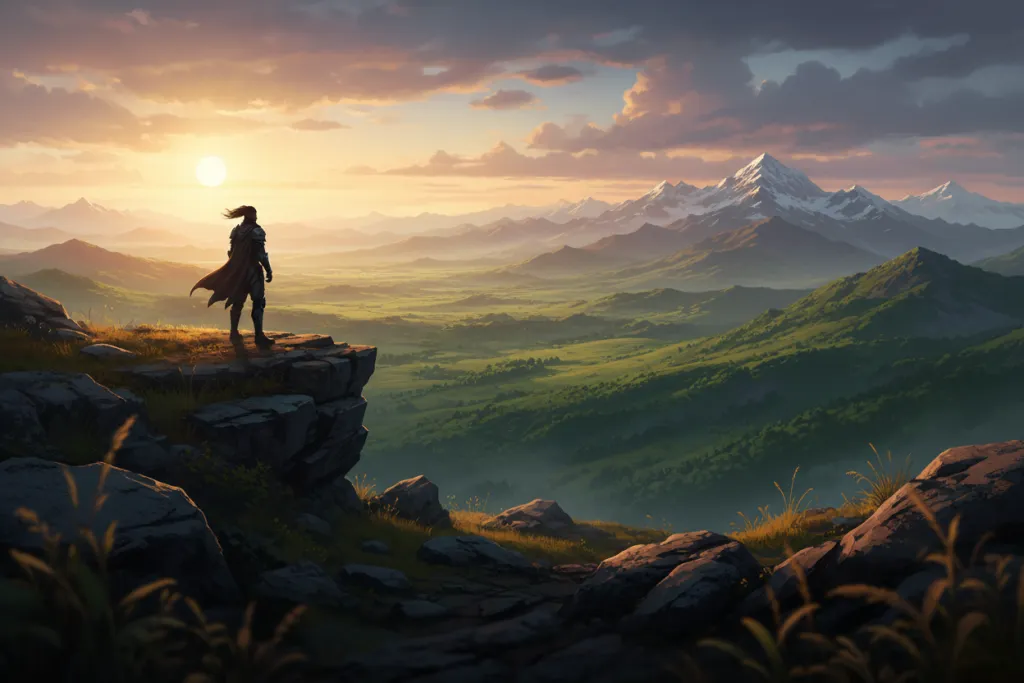
Final Fantasy VII Rebirth is the second entry in Square Enix's ambitious three-part reimagining of the 1997 PlayStation classic. Where Remake (2020) confined itself to the Midgar slums — a single city rewritten into a full 35–40 hour RPG — Rebirth blows the doors open. You follow Cloud Strife, Aerith, Tifa, Barret, Red XIII, Yuffie, and Cait Sith as they leave Midgar behind and traverse an enormous, open-world-adjacent version of the Planet itself. Think sweeping grasslands in the Grasslands region, the sun-baked Corel desert, the neon-lit Costa del Sol, the mist-shrouded Gongaga jungle, and the mythic Nibel mountains — all rendered in extraordinary detail on PS5 hardware.
This is not a remake in the cautious, note-for-note sense. Square Enix has reimagined the story with genuine creative confidence, expanding character arcs, deepening relationships, and introducing narrative divergences that will matter enormously when Part 3 arrives. If you played the original FF7 in the late 1990s, Rebirth will surprise you repeatedly. If you're coming in fresh via Remake, it rewards every hour you invested there.
How Long Is Final Fantasy VII Rebirth — And Is That Value Real?
Bluntly: Rebirth is enormous. A focused playthrough of the main story runs approximately 40–50 hours. A completionist run — tackling all regional open-world content, Queen's Blood card tournaments, Fort Condor battles, Chocobo breeding, Chadley's Combat Simulator challenges, and the full suite of side quests — pushes well past 100 hours. That is not padding. The side content is genuinely designed, narratively grounded, and often laugh-out-loud or emotionally resonant in its own right.
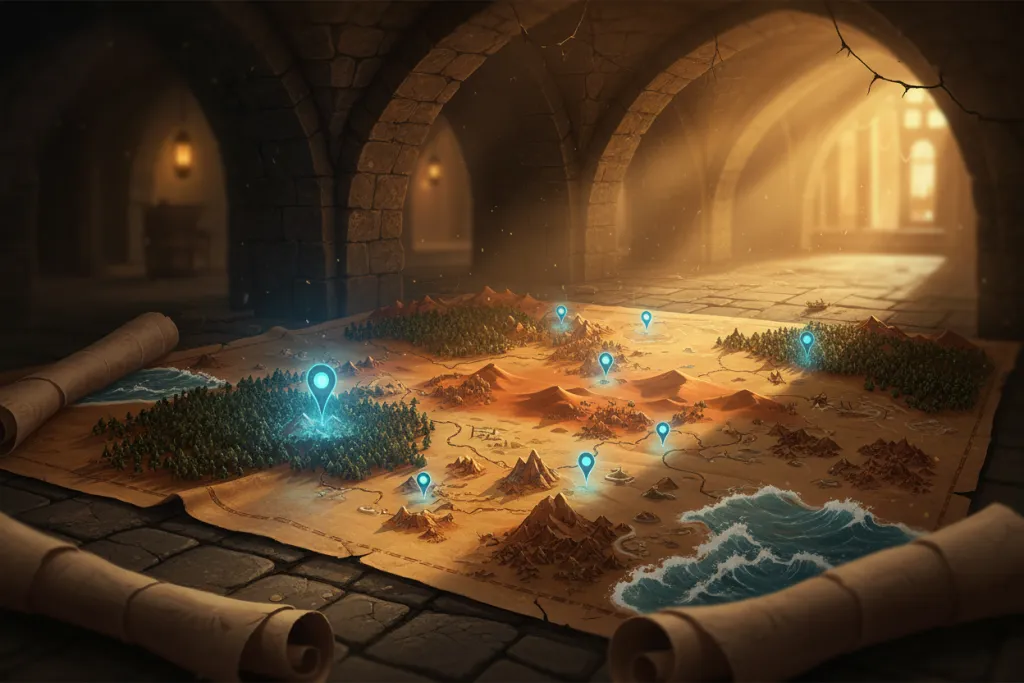
The Queen's Blood card game alone is a fully realised competitive card system with its own story thread. The Gold Saucer — the series' legendary entertainment complex — returns as a multi-hour destination filled with minigames, dating mechanics, and story beats that rival main-quest moments for emotional weight. When you weigh hours of quality content against the price of a single PS5 title, Rebirth's value proposition is genuinely difficult to argue against.
Final Fantasy VII Rebirth vs Remake — What's Actually Different?
This is the question most returning players ask, and it deserves a direct answer rather than vague reassurance. The two games are structurally and tonally distinct enough that playing Remake first is strongly recommended but not strictly required — Rebirth opens with a solid recap sequence.
Feature | FF7 Remake (2020) | FF7 Rebirth (2024) |
|---|---|---|
Setting | Midgar only | Open world — multiple regions across the Planet |
Main story length | ~35–40 hours | ~40–50 hours |
Playable party members | 4 (Cloud, Tifa, Aerith, Barret) | 7 (adds Red XIII, Yuffie, Cait Sith) |
World exploration | Linear, corridor-driven | Open regional maps with Chocobos, towers, and hidden content |
Combat system | ATB-based action-RPG hybrid | Expanded ATB with Synergy Skills and Synergy Abilities |
Minigames | Limited (pull-ups, darts) | Extensive — Queen's Blood, Gold Saucer, Fort Condor, Chocobo Racing |
PS5 DualSense integration | Moderate haptic feedback | Deep adaptive trigger and haptic feedback — terrain, weather, combat all felt |
Graphics modes | Performance / Quality | Performance (60fps/1080p) / Quality (30fps/4K) |
The combat system deserves particular attention. Remake's ATB hybrid was already excellent — real-time action with a tactical pause to queue abilities and spells. Rebirth refines it further with Synergy Skills, which unlock when specific party members fight together and build their bond meter, and Synergy Abilities, devastating combo attacks that feel genuinely earned rather than menu-selected. Switching between party members mid-battle is fluid and tactically meaningful in a way that Remake's system only hinted at.
The DualSense implementation is among the best on PS5. Riding a Chocobo across the Grasslands, you feel the terrain change underfoot through the haptic motors — soft earth, gravel, shallow water. Drawing a bowstring in a stealth section tightens the adaptive triggers with genuine resistance. In combat, each weapon type has a distinct feedback signature. These are not gimmicks; they are layers of immersion that a PC port or last-gen version simply cannot replicate.
Where Does Rebirth Sit in the FF7 Trilogy Roadmap?
Understanding where Part 2 sits in the broader trilogy is essential context for anyone buying in 2026. Square Enix has confirmed that Part 3 — the trilogy's conclusion — is in active development. Producer Yoshinori Kitase and director Naoki Hamaguchi have spoken publicly about the scope of the finale, and the ending of Rebirth makes clear that Part 3 will have enormous narrative ground to cover. Without spoiling anything: Rebirth ends on one of the most emotionally charged, thematically complex conclusions in modern RPG history. It does not tie up neatly. It is designed to leave you thinking — and waiting.
Buying Rebirth in Summer 2026 means you are entering the trilogy at arguably the ideal moment. Remake is available at a mature price point. Rebirth is past its launch premium. And Part 3 is close enough on the horizon that completing both games now sets you up perfectly for the finale. You are not buying into an incomplete experience — you are positioning yourself for the payoff.
Performance, Load Times, and PS5-Specific Advantages
On PS5, Rebirth runs in two modes: Performance Mode targets 60fps at a dynamic 1080p resolution, and Quality Mode delivers a native 4K image at 30fps. For a game with this much combat — and combat this fast — Performance Mode is the clear recommendation. The 60fps target is largely stable, with only occasional dips during the most particle-heavy special attacks. The difference in responsiveness between 30fps and 60fps in a game built around real-time action is not subtle; it is the difference between feeling in control and feeling like you are fighting the camera.
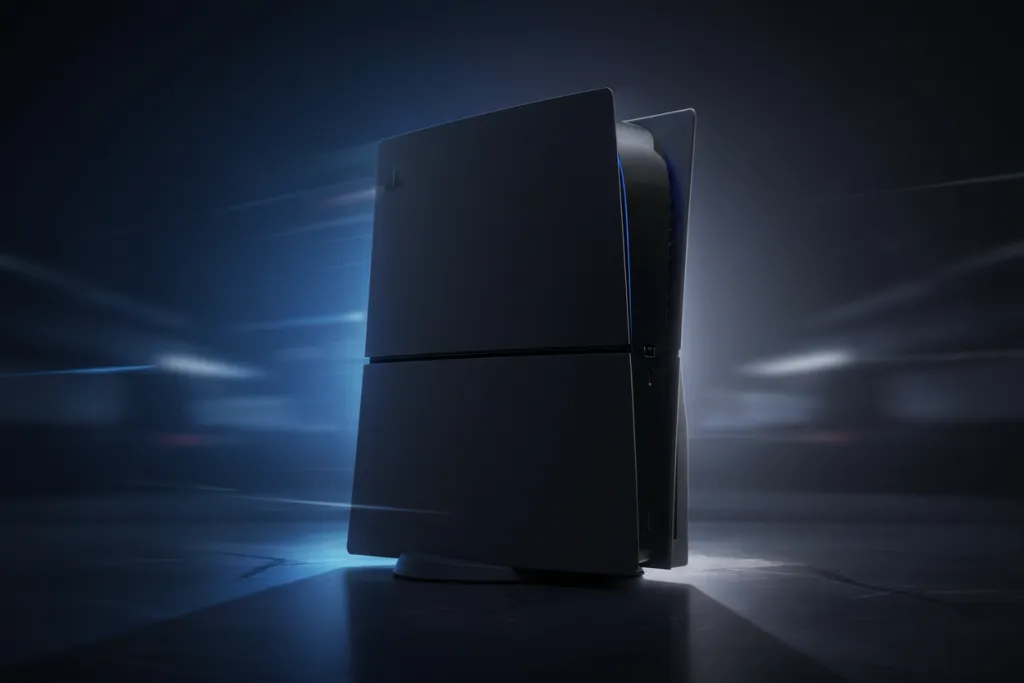
Load times are effectively eliminated by the PS5's SSD. Fast travel between regional map areas takes under five seconds. Returning from a game-over screen to the last checkpoint is near-instant — a meaningful quality-of-life improvement in a game with some genuinely challenging boss encounters. Activity Cards on the PS5 home screen also surface your current objectives and regional completion percentages at a glance, which is genuinely useful in a game this large.
Tempest 3D Audio support is implemented throughout. With a compatible headset — Sony's Pulse series being the obvious recommendation — the soundscape is extraordinary. The orchestral score, which ranges from sweeping orchestral arrangements of classic FF7 themes to jazz-inflected Gold Saucer tracks and tense battle remixes, is one of the finest in the franchise's history. Hearing it in 3D audio is the definitive way to experience it.
Is Final Fantasy VII Rebirth Worth Its Price in 2026?
Let's be direct. By Summer 2026, Rebirth has had over two years on the market. Whether you are buying physical or digital, the price reflects that maturity — and the value-per-hour calculation is exceptional even at a higher price point, let alone a discounted one. Consider what you are getting: a 40–50 hour main story of genuine cinematic quality, a 100+ hour completionist experience with no filler padding, one of the best combat systems in the JRPG genre, world-class PS5 hardware integration, and a narrative that is building toward what may be one of the most anticipated RPG conclusions in gaming history.
The one honest caveat: Rebirth is not a standalone story. It begins where Remake ends and concludes in a way that explicitly requires a Part 3. If you are the type of player who resists starting a series before it is complete, that is a legitimate concern. But for anyone willing to invest in the journey — and the journey here is extraordinary — there is no better time to start than now.
If you are building out a broader PS5 RPG library alongside Rebirth, Final Fantasy XVI is the natural companion purchase. Set in a dark, politically fractured world of warring nations and god-like beings called Eikons, XVI is a dramatic tonal departure from the FF7 trilogy — grittier, more action-focused, with a single protagonist and a combat system closer to a character action game than a traditional RPG. It is a superb, complete, standalone experience that showcases what Square Enix's AAA development looks like at full creative confidence. Playing both games in the same summer gives you the full spectrum of what modern Final Fantasy can be.
Recommended Products
Final Fantasy XVI — If Rebirth ignites your appetite for Square Enix's modern RPG ambitions, Final Fantasy XVI is the essential next purchase. Its Eikon-driven combat — think massive, screen-filling summon battles woven directly into the main story — and its uncompromisingly mature narrative make it one of the most distinctive PS5 exclusives in the catalogue. It is a complete, standalone adventure that requires no prior Final Fantasy knowledge, and at its current price point it represents outstanding value for any PS5 owner building a serious RPG library.
Frequently Asked Questions
Do I need to play Final Fantasy VII Remake before starting Rebirth?
Technically no — Rebirth opens with a recap chapter that covers the key events of Remake. Practically, yes. Remake spends 35–40 hours building your attachment to the characters, establishing the world's rules, and setting up the narrative divergences that Rebirth then develops. Playing Rebirth without Remake is like watching a film's sequel first: you will follow the plot, but you will miss the emotional foundation that makes the payoff land. Remake is widely available at a mature price and is an excellent game in its own right — start there.
How many hours does it take to complete Final Fantasy VII Rebirth?
The main story runs approximately 40–50 hours depending on your pace and how much optional dialogue and exploration you engage with. A full completionist run — all side quests, regional open-world content, Queen's Blood tournaments, Gold Saucer events, and Chadley's Combat Simulator — exceeds 100 hours. The open-world content is not filler; it is genuinely designed and narratively integrated. Most players will land somewhere between 60 and 80 hours on a thorough first playthrough.
Is Final Fantasy VII Rebirth available as a digital download on PS5?
Yes. Final Fantasy VII Rebirth is available as a full digital download through the PlayStation Store, making it instantly accessible on your PS5 without a disc. The install size is substantial — plan for approximately 150GB of storage — so ensure you have sufficient space on your PS5's SSD or an approved M.2 expansion drive before purchasing. Buying digitally means no disc swapping, instant access after download, and the ability to start playing the moment your purchase completes at PlayStation Shop.
Final Fantasy VII Rebirth is one of the defining PS5 experiences of this generation — a game that rewards patience, emotional investment, and the willingness to lose yourself in a world built with genuine love and craft. Summer 2026 is not a late arrival; it is the right moment. Head to PlayStation Shop, pick up Rebirth, and if you have not yet played Remake, grab that first. Part 3 is coming. You will want to be ready.